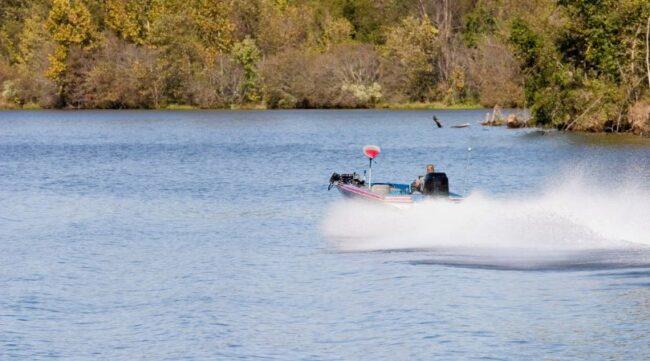
Fish finders have become an invaluable tool for anglers, revolutionizing the way we locate and catch fish. These devices utilize sonar technology to detect underwater objects, including fish, and display the information on a screen. When it comes to fishing, enthusiasts often wonder how to read a fish finder and whether it can still operate effectively when out of the water, don’t worry we got you covered. In this article, we will explore this topic and provide insights into the functionality of fish finders when used outside of their intended aquatic environment.
1) Sonar Technology and Air:

Fish finders employ sonar technology, which stands for Sound Navigation and Ranging. Sonar works by emitting sound waves into the water and measuring the time it takes for the waves to bounce back after hitting an object. While sonar is designed to operate in water, it encounters difficulties when used in the air. The sound waves generated by the fish finder struggle to bounce back without a medium like water to propagate through, leading to limited or no readings.
2) Transducer Limitations:
The transducer is a critical component of a fish finder that emits and receives sonar signals. It is typically designed to be submerged in water for accurate readings. When the transducer is out of the water, it may not function optimally or may not work at all. Without the water to transmit and receive signals, the transducer may not be able to detect objects or fish accurately.
3) Display and Power Supply:
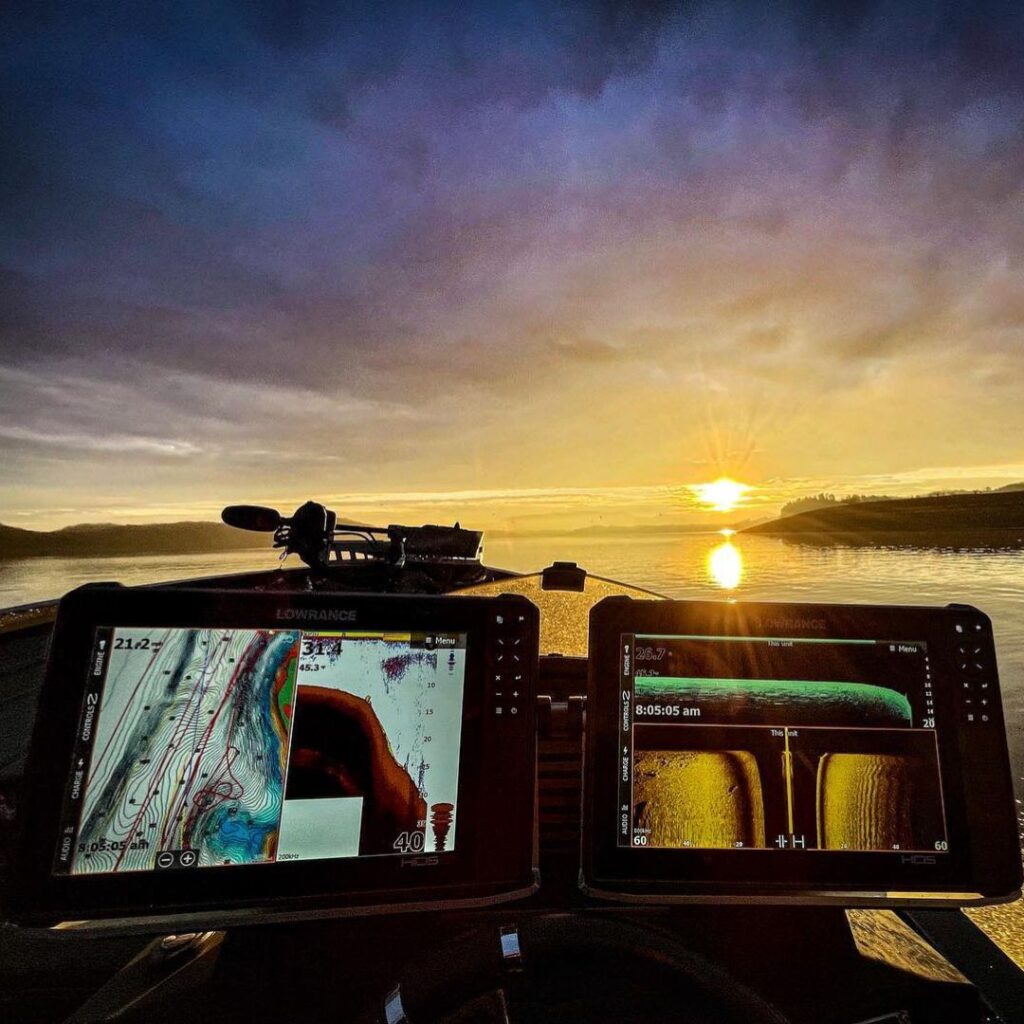
Even if the fish finder manages to receive some signals out of the water, the display screen may not provide meaningful or readable information. The display is usually designed to present data in the context of underwater conditions. When used outside of water, the display may show distorted or irrelevant readings, making it challenging to interpret the information correctly.
4) Potential Damage:
While some fish finders may tolerate brief exposure to air, extended use or exposure outside of water can damage the device. The internal components, including the transducer and other delicate electronics, may not be built to withstand the harsh conditions of the environment. Moisture, dirt, and other contaminants can infiltrate the device, compromising its functionality and potentially leading to permanent damage.
5) Practical Alternatives:
If you want to use a fish finder for mapping or other purposes outside of water, there are alternative options available. Some fish finders have a simulation mode that allows users to operate the device without being connected to a transducer. This mode is designed specifically for situations where the unit is not submerged. Additionally, certain mobile applications provide virtual fish-finding experiences that can be used on land. These applications utilize GPS and mapping technology to simulate underwater conditions and help anglers plan their fishing trips effectively.
In conclusion, fish finders are primarily designed for underwater use and may not function optimally when operated outside of their intended environment. The absence of water affects the propagation of sonar signals, rendering the fish finder unable to provide accurate readings. Additionally, the display may not present meaningful information, and prolonged exposure to air can damage the device. However, some fish finders offer simulation modes or alternative applications that can be utilized on land. When considering using a fish finder out of water, it is essential to consult the manufacturer’s instructions and recommendations to ensure proper usage and avoid potential damage.