Open post
Foam-Filled Tires Vs. Solid Tires_ What's The Difference

Foam-Filled Tires Vs. Solid Tires: What’s The Difference?

Foam-filled tires and solid tires share many similarities in terms of their construction, but there are also some significant differences between the two types of tires. Both serve a valuable purpose in agricultural and industrial applications, but it’s important to be aware of their pros and cons before deciding which type is best for your application. If you’re looking to save money and take on a do it yourself tire foam fill for your car, consider using a tire foam fill kit to fill your tires with foam and experience improved stability and puncture resistance.

This article will discuss the differences between foam-filled tires and solid tires, as well as their respective advantages and disadvantages.

Advantages of Foam-Filled Tires

The most notable advantage of foam-filled tires is that they provide superior flotation over traditional air-filled or pneumatic tires. By using a special foam technology, these tires are nearly impervious to punctures, saving you time and money in the long run. Additionally, foam-filled tires last up to 25% longer than other types of tires, giving them a definite cost advantage over the competition.

Disadvantages of Foam-Filled Tires

The primary disadvantage of foam-filled tires is their higher cost compared to traditional air or pneumatic tires. Additionally, foam-filled tires produce a much louder noise than other types of tires, which can be off-putting to some people. Finally, these tires are not ideal for applications that involve high speeds or frequent changes in direction as they tend to lose traction more easily than other types of tires.

Advantages of Solid Tires

The primary advantage of solid tires is their low cost, as they are generally much cheaper than foam-filled or pneumatic tires. Furthermore, since they are made from solid rubber, they are highly resistant to punctures and other damage caused by debris on the road. Additionally, these tires are well-suited for high-speed and frequent direction changes, making them ideal for applications that require such performance.

Disadvantages of Solid Tires

The primary disadvantage of solid tires is their low level of flotation. Since they are made from solid rubber rather than foam, they do not provide the same level of cushioning as foam- tires. Additionally, solid tires tend to wear out faster than other types of tires, leading to higher replacement costs in the long run. Finally, they can also be quite noisy due to their lack of flotation.

Conclusion

When it comes to choosing between foam-filled and solid tires, it’s important to consider the unique needs of your application. Foam-filled tires provide superior flotation and puncture resistance, while solid tires are cheaper and more suited to high-speed applications. Ultimately, the best choice depends on the specific requirements of your application. Whichever type you choose, it’s important to keep in mind that both have their advantages and disadvantages. With careful consideration, you can make sure that you select the right tire for your application.

Open post
The Benefits of Integrated Pest Management

The Benefits of Integrated Pest Management (IPM)

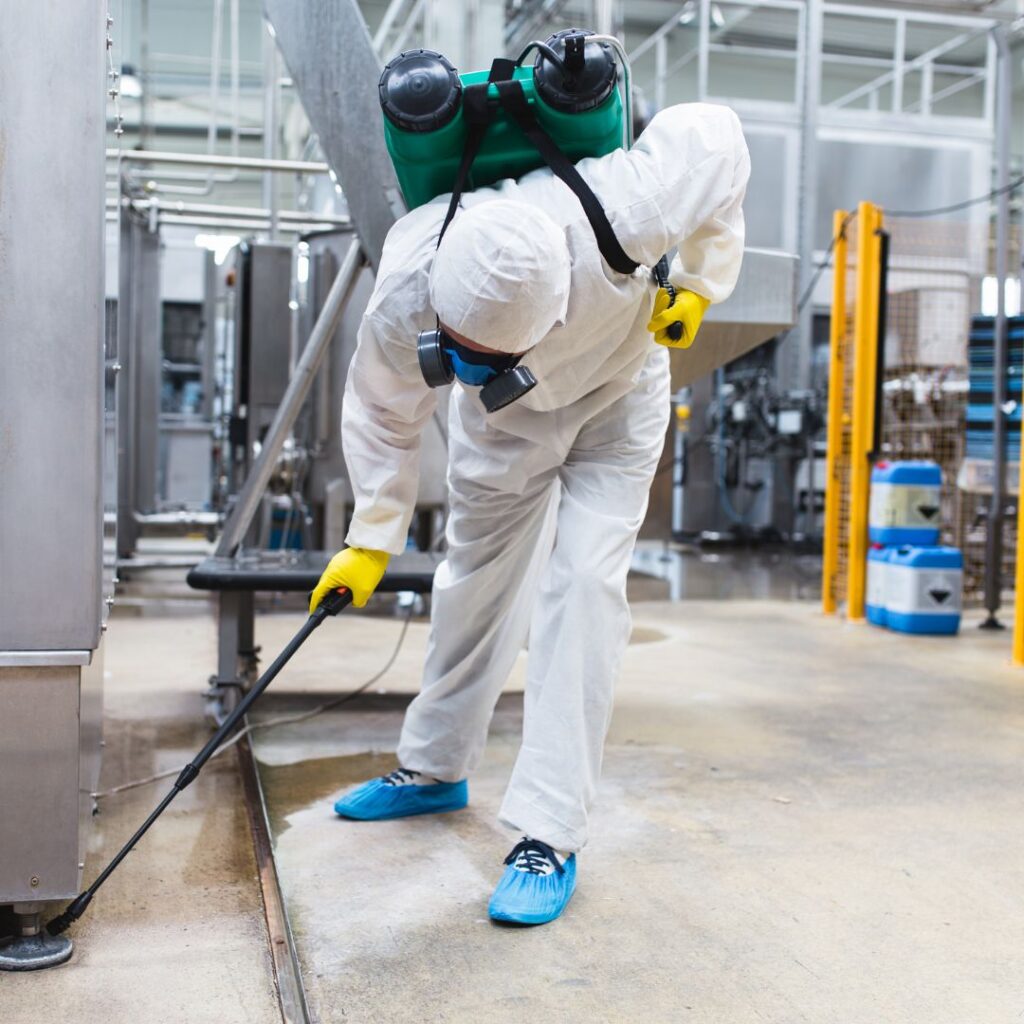
Integrated Pest Management (IPM) is an effective way to manage pests in homes and businesses, including pest control Matamata, it involves a combination of practices designed to reduce or eliminate pest problems, while also preserving our environment. By using IPM, we can create healthier living and work spaces with fewer pesticides, less risk of harm to people and the environment, cost savings, and improved quality of life.

Benefits of IPM

1. Reduced Risk of Harm to People and the Environment: By using an integrated approach that minimizes pesticide use, IPM reduces the risk of harm to people, wildlife, and the environment. We can protect our health by reducing exposure to harmful pesticides while still controlling pests effectively.

2. Cost Savings: By using IPM, we can save money by reducing pesticide costs and the potential for damage caused by pests. We can also prevent pest problems before they arise, helping us avoid costly treatments down the road.

3. Improved Quality of Life: IPM helps create a healthier living and work environment with fewer pests. This improved quality of life can lead to greater productivity, fewer interruptions, and a more pleasant environment in which to live and work.

4. Long-Term Solutions: IPM looks at the big picture and focuses on long-term solutions to pest problems, rather than relying solely on short-term solutions such as pesticides. This can help us be better prepared for future pest issues and ensure that we are making proactive decisions to protect our environment.

IPM is an effective and sustainable way to protect our environment while managing pests effectively. By utilizing the benefits of IPM, we can save money, reduce exposure to harmful pesticides, improve quality of life, and create long-term solutions for pest problems. With these benefits in mind, it’s easy to see why integrated pest management is a worthwhile investment for our health, our environment, and our future.

For more information on the benefits of IPM and tips for integrating it into your home or business, contact your local pest control professionals today! They can provide you with the necessary guidance to ensure that you are taking the right steps to eliminate pests in your home or business while also preserving our environment. Together, we can create a healthier and more sustainable world for everyone.

Overall, using integrated pest management can help us achieve a better balance between our health, the environment, and our wallets. By using proven practices to control pest problems, IPM can provide long-term solutions that protect our health and preserve our environment.

It is important to consult with a professional when considering IPM in order to ensure the best results. A professional pest control company can provide the latest information on IPM and help you understand which practices are best for your home or business. By taking a proactive approach to pest management, we can all benefit from healthier, safer environments in our homes and businesses.

With integrated pest management, we can create healthier living and work spaces with fewer pesticides, less risk of harm to people and the environment, cost savings, and improved quality of life. With IPM, we can all work together to protect our health and preserve our environment.

Scroll to top